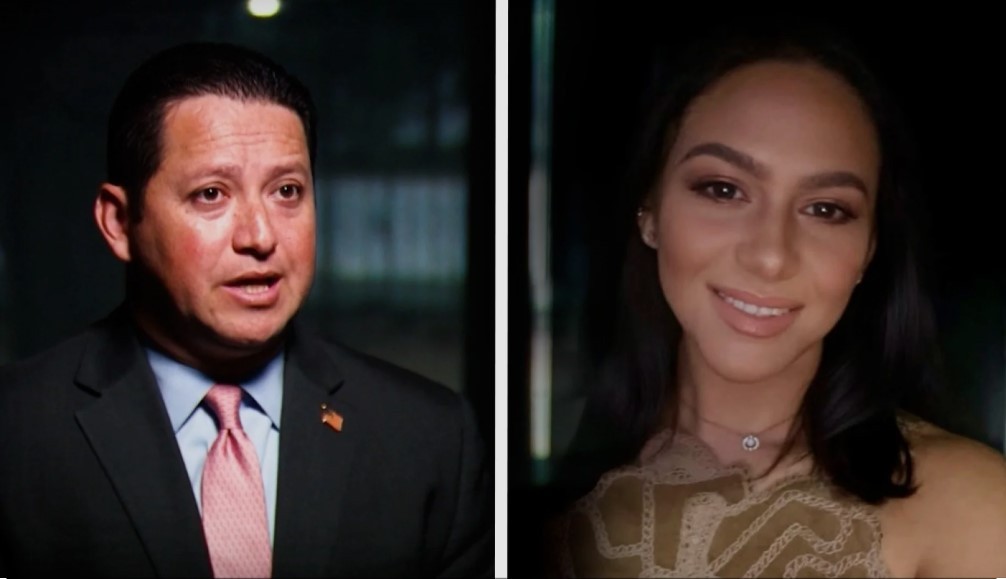
The Unfolding Saga of the Tony Gonzales Affair: A Political Reckoning
The political landscape is often fraught with challenges, but few are as personally devastating and publicly scrutinized as allegations of misconduct involving public officials. The Tony Gonzales Affair has certainly cast a long shadow, capturing national attention and forcing a seasoned Congressman to re-evaluate his political future. This comprehensive article delves into the intricate details surrounding U.S. Representative Tony Gonzales's admission of an affair, the intense political pressure he faced, and the significant ramifications for his career and the Republican party.
In a series of events that unfolded rapidly, Gonzales, a Republican from Texas’s 23rd District, acknowledged a relationship with a former staffer who later tragically died by suicide. This admission not only violated House rules but also ignited a firestorm of criticism, culminating in calls for his withdrawal from his reelection bid and, ultimately, his resignation from Congress. Understanding the full scope of this incident requires examining the sequence of events, the key players involved, and the broader ethical and political implications.
The Admission: Acknowledging a Laps in Judgment
The genesis of the crisis for Congressman Tony Gonzales began with mounting scrutiny and allegations concerning an affair with a staff member from his Uvalde district office. Initially, Gonzales had maintained his intention to remain in the race, despite the intense questions surrounding the alleged affair. However, the pressure reached a critical point, leading to a public confession that sent shockwaves through the political establishment.
In an interview released on a conservative talk show, Gonzales publicly admitted to the affair, stating, “I made a mistake, and I had a lapse in judgment, and there was a lack of faith, and I take full responsibility for those actions.” He further indicated that he had reconciled with his wife, Angel, and sought forgiveness, emphasizing his strong faith. This candid admission, while an attempt to address the issue head-on, marked a turning point, confirming the allegations that had been circulating.
The timing and nature of the affair itself were particularly sensitive, given that the former staffer subsequently died by suicide. This tragic element added an immense layer of complexity and somberness to the situation, prompting deeper ethical considerations beyond the immediate political ramifications. House rules explicitly prohibit sexual relationships between members of Congress and their staffers, citing potential conflicts of interest, power imbalances, and the corrosive effect such relationships can have on workplace integrity and public trust. Gonzales's admission therefore confirmed a clear violation of these established ethical guidelines.
The weight of the confession, coupled with the tragic circumstances, set the stage for a dramatic escalation in the demands for accountability, ultimately forcing Gonzales to confront the fragility of his political standing.
GOP Leadership's Intervention and the Call to Withdraw
The initial admission by Tony Gonzales was swiftly followed by an unprecedented intervention from Republican House leadership, signaling the severity with which the party viewed the Tony Gonzales Affair. The pivotal moment came during a fiery and emotional phone call between Gonzales and Tom Emmer, the No. 3 House Republican and a key figure who had previously helped Gonzales secure his upset victory six years prior.
Emmer reportedly delivered what he described as the "hard truth," accusing Gonzales of having lied to him personally and to the public. He urged Gonzales to withdraw from his reelection bid for Texas’s 23rd District, emphasizing the reputational damage and the difficult position Gonzales had created for the entire party, including the Speaker. Emmer recounted his conversation, stating, “I am asking you to withdraw because you told me something else. And you are now acknowledging that what you told me is not accurate. I think you owe it to all of us.”
This private conversation quickly escalated into a unified public stance from the entire GOP leadership team. Shortly after his call with Gonzales, Emmer informed his fellow leaders of his intent to publicly call for Gonzales to step aside. The collective decision to issue a public statement urging Gonzales's withdrawal underscored the deep concern within the party about the ethical breach and its potential impact on their narrow House majority. This move was particularly striking, as it represented a rare public rebuke from party leadership.
The pressure intensified further with a dire warning from Emmer: if Gonzales refused to bow out, he could face a vote calling for his expulsion from Congress, an outcome Republican leaders might not be able to prevent. This threat highlighted the extreme measures the party was prepared to consider to maintain institutional integrity and manage political fallout. The message was clear: the consequences of the affair extended far beyond personal regret; they threatened his congressional career itself.
From Reelection Withdrawal to Congressional Resignation
Under immense pressure from his party's leadership, Representative Tony Gonzales made the difficult decision to end his reelection campaign. His announcement initially stated that he would not seek re-election but planned to serve out the remainder of his current term with the same commitment to his district. This decision came just hours after the public calls from GOP leaders for him to step aside, signaling the immediate effectiveness of their intervention.
In his statement, Gonzales expressed that his decision was made “after deep reflection and with the support of my loving family.” He was originally set to face fellow Republican Brandon Herrera in a runoff for the primary, a contest that was significantly altered by Gonzales's withdrawal. Herrera promptly responded to the news, acknowledging the shift in the race's dynamics.
However, the saga of the Tony Gonzales Affair did not end with the cessation of his reelection bid. Subsequent reports indicated a more definitive conclusion to his congressional career. While initial reports focused on his intent to finish his term, later developments, as cited by some sources, confirmed that Tony Gonzales ultimately resigned from the U.S. House of Representatives. This complete departure from Congress marked a finality to the scandal, preventing any further potential ethics investigations or expulsion votes that might have arisen had he attempted to serve out his term under the cloud of the affair and the tragic death of his former staffer.
The distinction between ending a reelection bid and resigning from office is significant. The former allows a member to complete their current term, while the latter creates an immediate vacancy. Gonzales's reported resignation underscores the overwhelming pressure he faced and the severity of the implications tied to his admission of the affair and its associated ethical breaches. This outcome serves as a stark reminder of the profound impact personal conduct can have on a public official's career and the institution they serve.
The Broader Impact: Ethics, Accountability, and Public Trust
The Tony Gonzales Affair is more than just a personal scandal; it's a case study in political ethics, accountability, and the delicate balance of public trust. The violation of House rules regarding relationships with staff is a serious matter, designed to protect subordinates from potential exploitation and maintain the integrity of legislative operations. When such rules are breached, it erodes confidence in the institution as a whole.
Key Takeaways from the Gonzales Incident:
- Ethical Standards in Public Office: The affair underscores the critical importance of maintaining high ethical standards for elected officials. Public servants are held to a higher standard, and their personal conduct can directly impact their ability to effectively represent their constituents.
- Accountability and Transparency: The swift and unified response from GOP leadership, culminating in calls for withdrawal and then resignation, highlights a growing expectation for accountability. While initially attempting to weather the storm, the mounting pressure ultimately forced a more definitive outcome. Transparency, even through difficult admissions, is crucial, though often belated in such scenarios.
- The Human Element and Tragedy: The tragic death by suicide of the former staffer involved adds a profound and somber dimension to the affair. It serves as a stark reminder of the human cost associated with power imbalances and inappropriate relationships in professional settings, particularly within high-pressure environments like Congress.
- Crisis Management in Politics: This incident offers a glimpse into how political crises involving personal misconduct are managed. The rapid shift from an individual's defiance to party-wide intervention and a forced exit demonstrates the strategic importance of protecting the party's image and maintaining its legislative majority.
- The Erosion of Trust: Each instance of ethical misconduct, regardless of party, chips away at public trust in government institutions. For constituents, incidents like the Tony Gonzales Affair can foster cynicism and disengagement, making it harder for elected officials to effectively govern.
For politicians and their staff, this saga serves as a potent cautionary tale. Upholding ethical guidelines is not merely a formality but a fundamental component of effective leadership and public service. Creating a respectful and safe work environment, free from the complexities of inappropriate relationships, is paramount to fostering integrity within the halls of power.
Conclusion
The Tony Gonzales Affair represents a significant chapter in recent American political history, illustrating the intricate interplay of personal conduct, political pressure, and institutional ethics. From his initial admission of an affair with a former staffer and his declared intention to finish his term, to the unified and forceful intervention by GOP leadership, and ultimately to his reported resignation from Congress, the events surrounding Representative Gonzales unfolded rapidly and with profound consequences. This incident serves as a stark reminder of the high ethical bar set for public officials, the relentless demands for accountability, and the deeply personal and public ramifications when those standards are not met. The legacy of the affair underscores the enduring importance of integrity, trust, and ethical leadership in the challenging arena of public service.