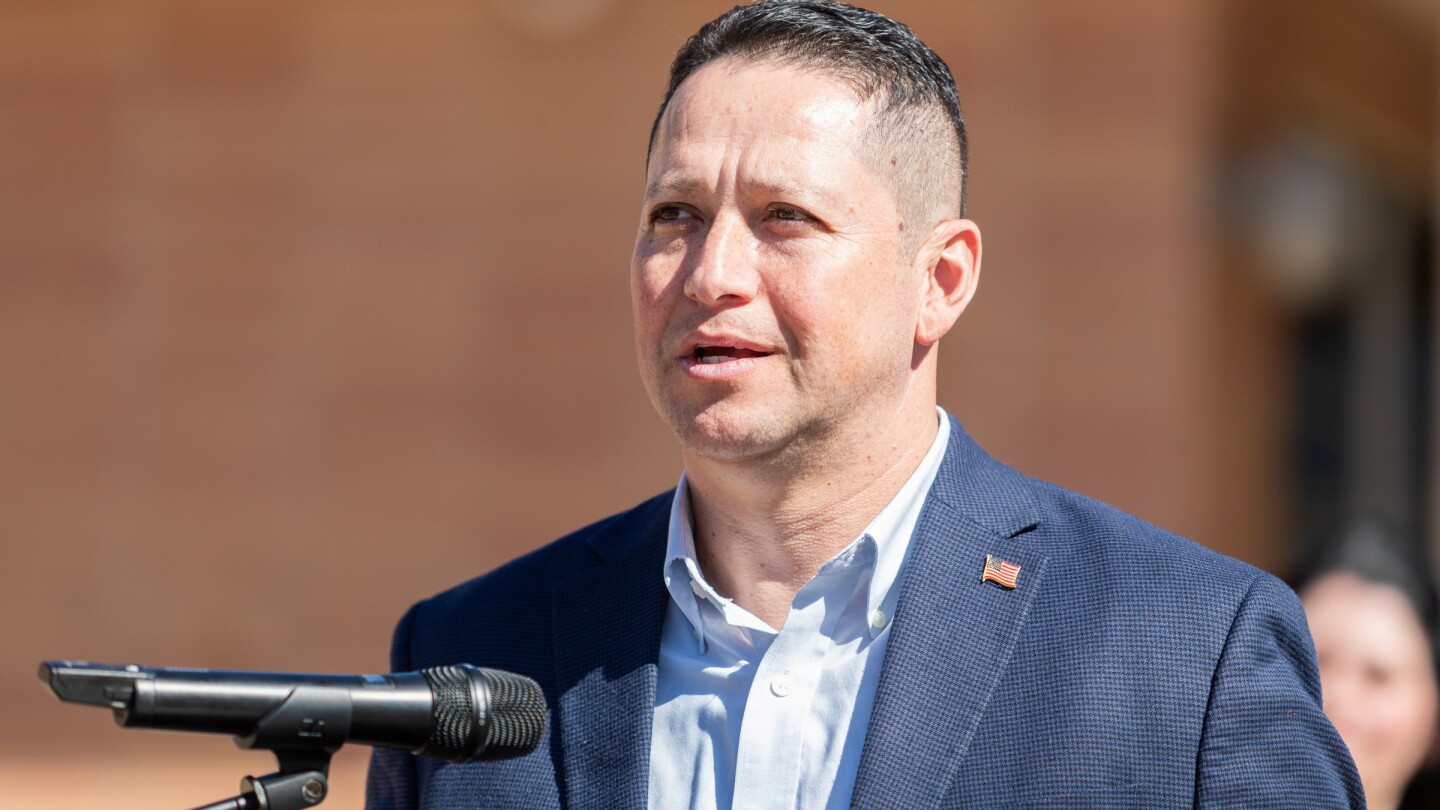
The Aftermath of Revelation: Tony Gonzales Withdraws from Re-election
The political landscape in Texas's 23rd District, and indeed within the broader Republican Party, has been significantly reshaped following the admission by U.S. Rep. Tony Gonzales of an affair with a former staffer. This confession, made amid mounting scrutiny and allegations, quickly escalated into a full-blown crisis, culminating in Gonzales's decision to end his re-election bid. The unfolding events underscore the intricate intersection of personal conduct, political ethics, and party dynamics, particularly in a chamber where majorities are razor-thin. This article delves into the immediate fallout, the intense pressure from GOP leadership, and the implications of this pivotal moment for Congressman Gonzales and the Republican Party. For a deeper dive into the initial stages of this developing story, you can refer to
Tony Gonzales Affair - Article 1.
An Affair Confirmed: The Genesis of a Political Storm
The controversy surrounding Representative Tony Gonzales reached a critical point when he publicly acknowledged an affair with a former staff member. This admission was not made lightly, coming after a period of intense questioning and amidst serious allegations. The gravity of the situation was compounded by the tragic fact that the staffer involved later died by suicide. This deeply unfortunate aspect cast a somber shadow over the entire affair, adding a layer of profound sensitivity and human tragedy to the political scandal.
Gonzales, a Navy veteran who had notably pulled off an upset victory six years prior with the assistance of then-campaign chief Tom Emmer, initially expressed his intention to remain in the race despite the allegations. However, this stance quickly proved untenable as the internal pressure from his party began to mount. The ethical implications of a relationship between a Congressman and his staffer are significant, as such conduct is a clear violation of House rules designed to prevent conflicts of interest and maintain a professional environment. Gonzales himself admitted to a "mistake" and a "lapse in judgment," taking "full responsibility for those actions." He also stated he had reconciled with his wife, Angel, and sought divine forgiveness, emphasizing his strengthened faith.
The revelation of the "Tony Gonzales affair" sent shockwaves, forcing a re-evaluation of his position not just by the public but, crucially, by his own party leadership. The personal admission of such an intimate detail, especially one with tragic repercussions, highlighted the immense pressure public figures face and the severe consequences of private actions intersecting with public office.
GOP Leadership's Intervention: A United Front Against Scandal
The response from Republican leadership was swift and decisive. What began as internal discussions quickly escalated into a public demand for Gonzales to withdraw from his re-election campaign. A pivotal moment occurred during a fiery and emotional phone call between Gonzales and Rep. Tom Emmer, currently the No. 3 House Republican. Emmer, recalling his deep involvement in Gonzales's initial campaign, delivered what he termed "the hard truth." He accused Gonzales of having lied to him and the public about the allegations, stating, "I am asking you to withdraw because you told me something else. And you are now acknowledging that what you told me is not accurate. I think you owe it to all of us." Emmer further warned Gonzales that his actions had placed both the Speaker and the entire party in a difficult position.
This conversation was not an isolated incident but rather a precursor to a unified front presented by the GOP's top brass. Shortly after his call with Gonzales, Emmer informed his fellow GOP leaders, including the Speaker, of his intention to publicly call for Gonzales to step aside. This plan received unanimous agreement, leading to a stunning public statement from the full GOP leadership team adopting the same position. The consensus reflected a strong desire to mitigate potential damage to the party's image and avoid a drawn-out ethical battle that could divert attention from their legislative agenda.
A significant detail from Emmer's call was the stark warning he delivered: if Gonzales refused to bow out of the re-election race, he would almost certainly face a vote calling for his expulsion from Congress. This was not a bluff; Republican leaders signaled that they might not be able to prevent such a vote from happening. This extreme measure underscored the gravity with which the party viewed the situation and their determination to enforce accountability. It’s important to note that while leaders called for his withdrawal from re-election, they notably did *not* call for him to resign his seat in the chamber, likely to protect their narrow majority. This strategic distinction reveals the pragmatic considerations at play for a party holding a slim lead.
The Decision to Withdraw and Its Implications
Facing immense pressure and the looming threat of expulsion, Tony Gonzales announced his decision to end his re-election bid. In a statement, he conveyed, "After deep reflection and with the support of my loving family, I have decided not to seek re-election while serving out the rest of this Congress with the same commitment I’ve always had to my district." This statement confirmed his intention to fulfill his current term in office, providing a measure of stability for his constituents in Texas’s 23rd District, even as his political future beyond that term evaporated.
This decision immediately altered the dynamics of the Republican primary runoff, where Gonzales was set to face Brandon Herrera on May 26. Herrera responded to the news, acknowledging the sudden shift in the race. For the Republican Party, Gonzales's withdrawal, while preventing a potentially damaging ethics investigation and expulsion vote, still leaves a vacuum in a key district. The need to find a strong candidate capable of holding the seat in a potentially competitive general election becomes paramount.
The "Tony Gonzales affair" serves as a powerful reminder of the high standards expected of elected officials and the profound impact of personal conduct on political careers. It highlights the internal mechanisms of accountability within political parties and the challenges leaders face in managing scandals while protecting their broader objectives. The situation also brings into sharp focus the human element, particularly the tragedy involving the staffer, and the wider repercussions for all individuals caught in the orbit of such events.
For public officials, this situation underscores the critical importance of adhering to ethical guidelines, understanding the profound personal and political risks associated with breaches of trust, and maintaining transparency, even when facing deeply personal challenges. The fallout from the Tony Gonzales affair is a complex tapestry of personal regret, political pragmatism, and the enduring quest for accountability in public service. As the district moves forward to select its next representative, the echoes of this significant event will undoubtedly shape discussions and decisions. For more context on the ongoing political repercussions, please see
Tony Gonzales Affair - Article 3.
Conclusion
The decision by Representative Tony Gonzales to withdraw from his re-election campaign marks a significant turn in a controversy that has gripped both his district and the national Republican Party. His admission of an affair with a former staffer, tragically linked to her later suicide, led to an unprecedented display of unified pressure from GOP leadership, culminating in the termination of his re-election aspirations. While he intends to serve out the remainder of his current term, the "Tony Gonzales affair" has irrevocably altered his political trajectory and highlighted the severe consequences of ethical lapses in public office. This episode serves as a potent case study on the intersection of personal accountability, party discipline, and the profound impact on individuals and institutions within the high-stakes world of Washington politics.