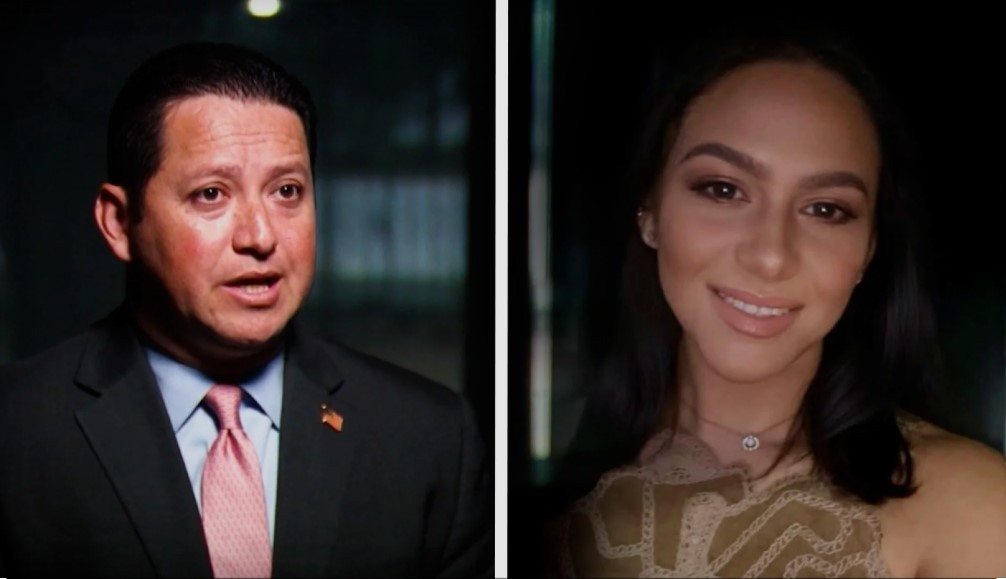
The Unfolding Scandal: Tony Gonzales and the End of a Reelection Bid
The political landscape often delivers unexpected twists, and few recent events have sent as many shockwaves through Washington and Texas’s 23rd Congressional District as the admission of an affair by U.S. Representative Tony Gonzales. This revelation, centered around the Tony Gonzales Affair, has not only cast a long shadow over the Republican congressman's career but also triggered a swift and decisive response from GOP leadership, ultimately leading to his withdrawal from his reelection bid. The narrative is one of personal mistake, professional accountability, and the intense pressures faced by elected officials.
Congressman Gonzales, a Navy veteran who achieved an upset victory in a battleground House seat six years ago, found himself embroiled in controversy following allegations of an affair with a former staffer. What made the situation particularly tragic and complex was the subsequent death of this staffer by suicide. Initially, Gonzales expressed his intent to remain in the race, facing an upcoming runoff against fellow Republican Brandon Herrera. However, the rapidly escalating situation, coupled with mounting pressure from within his own party, quickly forced a recalculation of his political future.
Admission, Apology, and Political Retreat
The specifics of the Tony Gonzales Affair began to surface amidst intense scrutiny. Gonzales publicly acknowledged the affair, describing it as "a mistake" and "a lapse in judgment." He took full responsibility for his actions, stating he had reconciled with his wife, Angel, and sought forgiveness. While personal reconciliation is a private matter, an affair with a staff member, especially within a district office, constitutes a violation of established House rules designed to prevent exploitation of power dynamics and maintain decorum.
Despite his initial stance to "stay in the race," the political ground beneath him was rapidly shifting. The gravity of the admission, particularly in light of the former staffer's tragic death, created an untenable situation. Public trust, an invaluable currency for any elected official, was severely tested. For a congressman in a competitive district, such a scandal threatened not only his individual campaign but also the broader image of his party.
GOP Leadership's Swift and Decisive Intervention
Perhaps the most striking aspect of the Tony Gonzales Affair was the speed and unity of the Republican leadership's response. Moments after Gonzales’s admission, the highest echelons of the GOP began to exert significant pressure. A pivotal role was played by Tom Emmer, the No. 3 House Republican and former campaign chief for Gonzales. In a "fiery and emotional" phone call, Emmer delivered a stark ultimatum: withdraw from the reelection bid or face potentially severe consequences.
Emmer's reasoning was clear: Gonzales had misrepresented the facts to him and to the public. "I am asking you to withdraw because you told me something else. And you are now acknowledging that what you told me is not accurate. I think you owe it to all of us," Emmer recalled telling Gonzales. He further emphasized the detrimental impact on the Speaker and the entire party, particularly given the GOP's narrow majority in the House. Emmer's warning extended to the possibility of an expulsion vote if Gonzales refused to step aside – a move Republican leaders might not be able to prevent.
This internal pressure quickly solidified. Following Emmer's private briefing to his fellow GOP leaders, a unified public statement emerged, calling for Gonzales to withdraw. This coordinated action underscores the party's concern over the ethical breach, the potential for political fallout, and the imperative to maintain a semblance of integrity and order within their ranks. The fact that party leaders did not call for his immediate resignation from Congress, allowing him to serve out his term, suggests a strategic calculation to avoid destabilizing their razor-thin House majority while still addressing the immediate campaign crisis.
The Broader Implications: Ethics, Accountability, and Public Trust
The Tony Gonzales Affair serves as a poignant case study on the critical importance of ethical conduct for public officials and the severe repercussions when those standards are breached. Relationships between elected officials and their staff are inherently complex, marked by significant power differentials. House rules prohibiting such relationships are not merely bureaucratic formalities; they are safeguards designed to protect vulnerable individuals, prevent conflicts of interest, and maintain a professional work environment free from exploitation.
Understanding Ethical Boundaries in Politics:
- Power Dynamics: Staffers often depend on their employers for career advancement and job security, making truly consensual relationships difficult to ascertain.
- Public Trust: Misconduct, especially when involving a subordinate, erodes the public's faith in the integrity of governmental institutions and the individuals who serve within them.
- House Rules & Standards: Congressional ethics committees regularly reinforce guidelines to ensure that official conduct upholds the dignity and integrity of the House. Violations can lead to severe penalties, from reprimands to expulsion.
The pressure on Gonzales highlights a broader demand for accountability in politics. In an era of heightened scrutiny, public figures are expected to adhere not only to legal statutes but also to a higher moral and ethical standard. When a public official admits to such a lapse in judgment, especially with the tragic context of a staffer's suicide, the expectation for swift and decisive action becomes overwhelming. This incident reminds us that while personal struggles are human, public roles carry public responsibilities that demand transparency and integrity.
The Path Forward: Serving Out the Term and Beyond
In the end, Rep. Tony Gonzales announced his decision "not to seek re-election," stating he would serve out the remainder of his term with the same commitment. This decision, while effectively ending his immediate electoral ambitions, likely spared him from a potentially humiliating and divisive expulsion vote within the House. It also removes a significant political headache for House Republican leadership, allowing them to focus on legislative priorities rather than internal party strife.
For Texas’s 23rd District, the political landscape is now significantly altered. Brandon Herrera, Gonzales’s challenger, commented on the withdrawal, signifying a new chapter for the Republican primary race. While Gonzales finishes his term, the Tony Gonzales Affair will undoubtedly remain a significant part of his political legacy, a stark reminder of the personal and professional costs of ethical missteps in public service.
The broader conversation around accountability, transparency, and the ethical conduct of elected officials will continue. Incidents like these underscore the continuous need for robust ethics frameworks and vigilant oversight to ensure that those who hold public office uphold the trust placed in them by their constituents and the nation.